The Best Oral Hygiene Routine During Periodontal Treatment
Periodontal treatment changes the way you care for your mouth, at least for a while. The routine that worked when your gums were only mildly inflamed often feels too rough, too casual, or simply inadequate once you are dealing with deeper pockets, gum tenderness, bleeding, or healing tissue after scaling and root planing. Many patients assume they should brush less because the gums are sore. Just as many go the other direction and scrub harder because they want to “clean out” the infection. Neither instinct helps.
The best oral hygiene routine during Periodontal Treatment is the one that keeps plaque disruption consistent while protecting tissue that is already irritated or actively healing. That sounds simple, but it requires judgment. There is a difference between effective cleaning and aggressive cleaning. There is also a difference between a routine that looks good on paper and one a patient can actually follow twice a day for several months.
If you are in active periodontal care, your home routine matters more than people realize. Professional treatment removes deposits below the gumline and reduces the bacterial burden, but the mouth repopulates quickly. Plaque begins forming again within hours. That does not mean your efforts are futile. It means consistency wins. A gentle, repeatable routine is far more valuable than occasional heroic cleaning sessions that leave the gums raw.
What changes during periodontal treatment
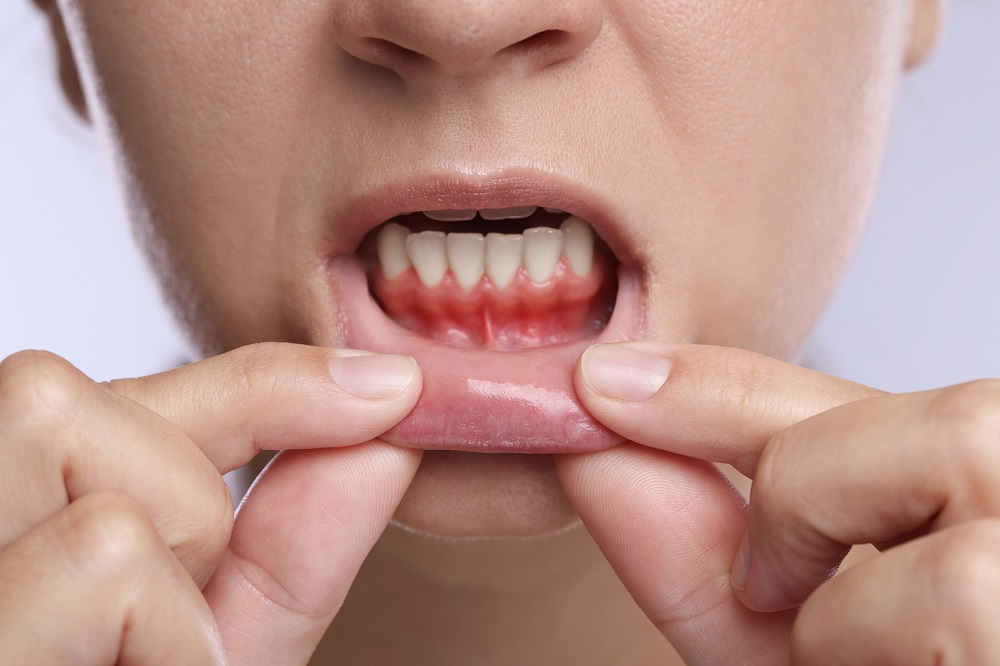
Periodontal disease creates a mouth that behaves differently. Inflamed gums bleed more easily, tissue may swell, roots may be exposed, and cold sensitivity may appear where you never had it before. After deep cleaning appointments, many people also notice temporary soreness for a few days. Some feel that their teeth are “longer,” when in reality the swelling has started to recede and more tooth structure is visible.
That changing landscape is why generic advice falls short. During periodontal treatment, the goal is not a perfectly polished social media smile. The goal is bacterial control, inflammation reduction, and tissue healing. Sometimes that means modifying tools. Sometimes it means changing timing, pressure, or technique. A patient with heavy recession and root sensitivity may need a much softer approach than someone with puffy bleeding gums but little recession. A person wearing temporary restorations, aligners, or a night guard may need additional cleaning steps because those devices hold plaque against the teeth.
One of the most useful things I tell patients is this: bleeding does not always mean you should avoid the area. Quite often, it means the area needs better plaque removal, just in a gentler way. Healthy gums generally do not bleed under light brushing and flossing. Inflamed gums do. If you stop cleaning every spot that bleeds, plaque accumulates further and the cycle gets worse.
The foundation: twice-daily plaque disruption, done gently
The backbone of a good routine is not complicated. Brush thoroughly twice a day, clean between the teeth at least once a day, and use whatever adjuncts your periodontist or hygienist recommends for your specific pattern of disease. The nuance is in how you do it.
A soft toothbrush, preferably an electric brush with a pressure sensor, is often the easiest upgrade. Manual brushing can work very well, but people routinely overestimate how gentle they are. I see this often in patients who say they are using a soft brush, yet the bristles are splayed within a few weeks and the gum margins look rubbed. The pressure sensor on a good electric brush gives immediate feedback. That matters more than fancy marketing claims.
Place the bristles at the gumline, not in the middle of the tooth. The plaque that drives gingivitis and periodontal inflammation lives along that edge and just under it. Small, controlled movements are enough. Scrubbing in wide horizontal strokes is one of the fastest ways to irritate already tender tissue. Two minutes is a reasonable target, but quality matters more than racing a timer with a poor angle.
Toothpaste selection matters too, though less than technique. A fluoride toothpaste is still the standard choice for most adults, especially because exposed root surfaces are more prone to decay. If sensitivity is part of the picture, a desensitizing toothpaste can help, but it usually takes a couple of weeks of regular use to notice a real difference. Some whitening pastes are too abrasive for patients in active periodontal care, especially those with recession. If your roots feel tender after switching products, the paste may be part of the problem.
What a strong daily routine usually looks like
For most patients going through Periodontal Treatment, a practical routine looks like this:
- Brush in the morning for two full minutes with a soft brush, focusing on the gumline and using very light pressure.
- Clean between the teeth once a day, choosing floss, interdental brushes, or a water flosser based on the size of the spaces and your provider’s advice.
- Brush again before bed, taking extra care in areas where plaque tends to linger, often the back molars and lower front teeth.
- Use any prescribed rinse or recommended antimicrobial product exactly as directed, not indefinitely unless your clinician tells you to.
- Clean any oral appliances, retainers, night guards, or aligners daily so they do not reintroduce bacteria.
That may seem almost too basic, but most improvement comes from execution rather than complexity. When patients struggle, it is rarely because they lack one exotic product. More often, they are brushing too hard, missing the gumline, skipping the posterior teeth, or trying to floss swollen tissue with a rushed, snapping motion.
Floss is not the only option between teeth
Interdental cleaning becomes especially important during periodontal treatment because toothbrush bristles do not adequately clean the spaces between teeth or the concavities near the gumline. But the right tool depends on anatomy.
Traditional floss works well in tight contacts, especially where the gum papilla still fills the space. The problem is technique. Floss should hug the side of the tooth in a C shape and slide gently under the gum margin, not snap straight down and back up. Snapping floss into inflamed tissue is painful and discouraging, and it is one reason many patients give up.
Interdental brushes are often superior when there has been attachment loss and the spaces are open enough to admit a small brush. They clean root contours and exposed furcations more effectively than floss in many cases. Size matters. A brush that is too small passes through without touching enough surface. Too large, and it traumatizes the tissue. This is one area where five minutes of chairside coaching from a hygienist can save months of poor technique.
Water flossers can be very helpful, particularly for patients with dexterity challenges, bridges, orthodontic appliances, or sensitivity that makes string floss difficult. They do not replace all mechanical interdental cleaning in every case, but they can reduce bleeding and improve compliance because people are more likely to use them consistently. Warm water is often better tolerated after scaling and root planing than cold. That sounds like a small detail, but it can be the difference between a patient using the device nightly or letting it collect dust under the sink.
The first week after deep cleaning needs a softer touch
After scaling and root planing, the tissues may feel tender, and some cold sensitivity is common. This is the period when patients are tempted to back off cleaning entirely. A better approach is to stay consistent while dialing down force.
Use a very soft touch with brushing for the first few days, especially in the treated areas. If flossing is uncomfortable immediately after the procedure, ask your periodontist or hygienist what timing they prefer, because recommendations vary slightly depending on the case and the amount of inflammation present beforehand. Many clinicians still want patients to continue gentle interdental cleaning quite soon, because plaque accumulation during healing can quickly set the area back.
A saltwater rinse can be soothing if your provider says it is appropriate. Prescription antimicrobial rinses are sometimes recommended for a limited time. These can be useful, but they are not a substitute for brushing and interdental cleaning. They are support, not the main event.
One pattern I have seen repeatedly is that patients judge their healing day to day and get discouraged by small fluctuations. One evening the gums look calmer, the next morning one spot bleeds, and they assume something is wrong. Healing is not always linear. What matters is the trend over a few weeks: less puffiness, less spontaneous bleeding, and improved tissue tone.
How to brush when your gums are sore or receding
Soreness and recession often coexist, and they call for finesse. Receded areas expose dentin, which is softer than enamel and more vulnerable to wear. Hard scrubbing at the gumline can deepen notches in the root surface over time. That is one reason a pressure sensor is so valuable.
Angle the bristles where the tooth meets the gum. Let the brush do the work. If you use an electric brush, guide it slowly from tooth to tooth rather than making vigorous manual motions on top of the powered movement. If you use a manual brush, think small circles or tiny vibratory movements, not back-and-forth sawing.
Patients often ask whether bleeding means they are brushing too hard. Sometimes yes, but not always. Inflamed gums can bleed even under ideal pressure. The clue is usually the broader picture. If the gums are rubbed, sore, and the brush bristles are flattening quickly, the force is probably too high. If the brushing is light and the bleeding is isolated to plaque-prone areas, inflammation is the more likely culprit.
Sensitivity can be managed without abandoning treatment goals. A desensitizing toothpaste applied before bed and not rinsed away aggressively may help. Lukewarm water instead of cold for brushing and water flossing can make a real difference. So can avoiding highly acidic foods right before oral hygiene, when exposed roots may be temporarily more reactive.
Mouthwash has a place, but it is not the star
There is a strong temptation to solve periodontal problems with a rinse because rinsing feels easy and medicinal. It is useful in selected cases, but no mouthwash reaches the complexity of subgingival biofilm the way direct mechanical cleaning does.
If your clinician prescribes chlorhexidine or another antimicrobial rinse, use it exactly as directed and for the recommended duration. More is not automatically better. Some therapeutic rinses can cause staining, alter taste temporarily, or irritate tissue if overused. Over-the-counter alcohol-free rinses may feel gentler for dry or sensitive mouths, but their role is supportive.
I usually frame rinses this way for patients: they can reduce bacterial load and calm things down, but they cannot brush your molars or clean a concavity on a root surface. A rinse is an accessory. It should never become the reason someone skips flossing because they are tired.
The foods and habits that quietly undermine gum healing
Diet does not cause periodontal disease by itself, but it can absolutely influence comfort, inflammation, and the ease of maintaining a clean mouth during treatment. Frequent sugary snacking fuels plaque growth. Sticky foods cling around gum margins and in open embrasures. Very crunchy foods can irritate tender tissue immediately after procedures. Tobacco remains one of the biggest factors in poor periodontal outcomes, and nicotine in any form can complicate healing.
Dry mouth is another underappreciated issue. Saliva protects oral tissues, buffers acids, and helps clear food debris. If you are taking medications that reduce saliva, your gums and exposed root surfaces may struggle more. Hydration helps, but sometimes the answer is broader, such as reviewing medications with a physician or using saliva-supportive products.
Clenching and grinding also deserve mention. They do not cause periodontal disease, but they can make sore teeth feel worse and may increase mobility in teeth already affected by bone loss. If your periodontist has mentioned a night guard, that recommendation is not cosmetic. It can help stabilize the situation while the tissues recover.
When the best tool is the one you will actually use
Ideal routines often collapse under real life. A parent trying to manage two children before work may not maintain a ten-minute bathroom ritual. An older adult with arthritis may not manipulate floss effectively. A patient with severe gagging may avoid posterior brushing unless the brush head is small and the process is broken into tolerable segments.
This is where professional judgment matters. Sometimes a water flosser used every night is better than perfectly instructed string floss used twice a week. Sometimes an electric brush with a compact head is the difference between “I try” and “I actually do it.” Sometimes a patient needs to brush once after lunch at work because morning nausea makes a long session difficult. The biologic principle stays the same, but the routine must fit the person.
One patient I remember clearly had excellent intentions and terrible follow-through. He bought premium floss, specialty paste, mouthwash, and interdental picks, then used none of them consistently because the setup felt overwhelming. We simplified his plan to a powered brush, one correctly sized interdental brush for the back teeth, and floss for the front where contacts were tight. His gums improved within weeks, not because the new tools were miraculous, but because he finally had a routine he could repeat without friction.
Red flags that mean your routine needs adjusting
Some discomfort during treatment is normal. Ongoing deterioration is not. If you are seeing signs that things are not settling, your home care may need refinement or your condition may need reassessment.
Watch for these problems:
- Bleeding that stays heavy or worsens after two to three weeks of consistent gentle cleaning.
- Persistent bad taste or odor that returns quickly after brushing.
- Increasing tooth mobility, new swelling, or pimple-like bumps on the gums.
- Sharp pain in one area during biting or cleaning.
- Sensitivity so intense that it prevents normal brushing or eating.
Those issues do not always mean treatment is failing, but they are worth reporting promptly. Sometimes the problem is residual calculus, a poorly fitting restoration trapping plaque, an endodontic issue, or simply an interdental brush that is the wrong size and irritating the tissue. Small corrections can produce major improvements.
How often to replace tools and reassess technique
Toothbrushes and brush heads wear out faster when someone brushes too hard, and that wear reduces cleaning efficiency. A typical replacement interval is every https://andresnhep352.bearsfanteamshop.com/periodontal-treatment-for-mild-moderate-and-severe-gum-disease three months, but some periodontal patients should replace sooner, especially if the bristles start to flare. Interdental brushes also need regular replacement. Bent wire or frayed bristles reduce access and can irritate tissue.
More important than replacing tools is reassessing how you use them. The mouth changes during treatment. Pockets may shrink. Swelling may recede. Open spaces may become more obvious. A floss technique that made sense at the beginning may no longer be the best choice once inflammation is reduced. This is why periodontal maintenance visits are so valuable. They are not just cleaning appointments. They are checkpoints where your routine can be tuned to match your current anatomy.
I often tell patients to think of technique checks the way athletes think of form. You can be disciplined and still drift into habits that are less effective. A two-minute review with a hygienist, especially with a mirror, can reveal missed surfaces immediately.
The emotional side of periodontal care
There is a psychological component to gum treatment that does not get enough attention. People can feel embarrassed by bleeding, discouraged by slow improvement, or worried when their teeth feel different after deep cleaning. Some become so anxious about doing harm that they under-clean. Others respond to the diagnosis with excessive force, determined to “fix it” overnight.
A steadier mindset helps. Periodontal healing is usually gradual. You are trying to lower inflammation over weeks and months, not score a quick win in forty-eight hours. A little bleeding at first does not mean your efforts are backfiring. It often means the tissues are still inflamed and need continued, careful plaque removal. Progress often shows up first in subtle ways: less puffiness along the gumline, less bleeding during flossing, breath that stays fresher longer, and an easier maintenance visit because there is less buildup to remove.
If you have had advanced periodontal disease, perfection is not the standard. Stability is. The best routine is the one that supports stable pockets, manageable inflammation, and maintainable daily habits over the long term.
The routine that works best over time
For most people in Periodontal Treatment, success comes from doing ordinary things exceptionally well. Soft brush. Light pressure. Attention to the gumline. Daily interdental cleaning matched to the spaces you actually have. Thoughtful use of rinses when indicated. Consistent maintenance visits. That is not glamorous advice, but it is the advice that protects teeth.
There is room for personalization. Some mouths do better with interdental brushes than floss. Some need a temporary antimicrobial rinse. Some need extra sensitivity management, or a redesigned routine because arthritis or limited dexterity changes what is realistic. The best oral hygiene routine is not the most elaborate one. It is the one that controls plaque without injuring the tissues, and that you can sustain day after day while your gums heal.
If you are unsure whether your routine is helping, bring your actual tools to your next periodontal appointment. A clinician can learn a lot from the size of your interdental brush, the wear on your toothbrush, and the way you describe where it hurts to clean. Periodontal care is at its best when office treatment and home care reinforce each other. When that happens, even patients with significant gum problems often see a striking improvement in comfort, bleeding, and long-term stability.
Avra Dental
Address: 1708 S Victoria Ave B, Ventura, CA 93003
Phone number: (805) 941-1001
FAQ About Periodontal Treatment
Can a dentist get rid of periodontal disease?
A dentist or gum specialist (periodontist) cannot fully cure or reverse advanced periodontal disease (periodontitis), but they can successfully stop its progression and manage the infection.
Is periodontitis very serious?
Yes, periodontitis is a very serious, advanced form of gum disease that destroys the bone and tissues supporting your teeth.
How is stage 2 periodontal disease treated?
Stage 2 periodontal disease (early to moderate periodontitis) is primarily treated with non-surgical deep cleaning procedures like scaling and root planing to remove bacteria and tartar below the gumline.